Coastal Knowledge
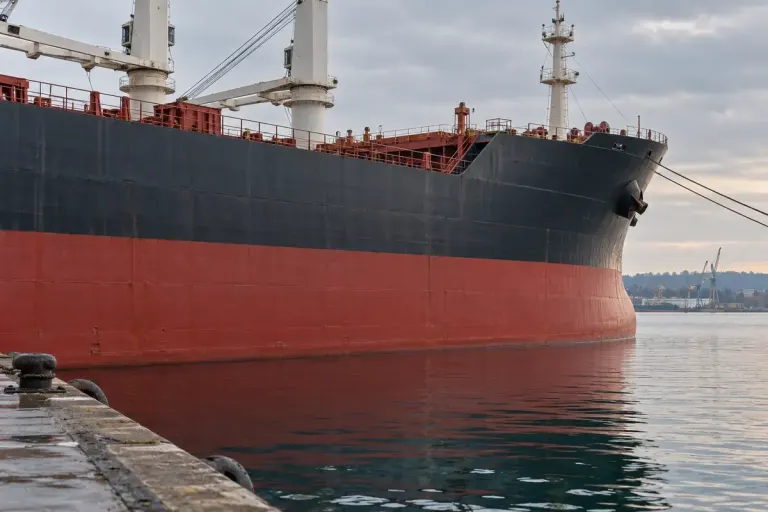
Reading a Load Line: Why a Ship Has More Than One Loading Mark
Understand why load-line markings vary with conditions and what a photograph of a ship’s side can—and cannot—establish.

Explore the almanac
Explanations for curious readers observing the coast.
Understand why load-line markings vary with conditions and what a photograph of a ship’s side can—and cannot—establish.
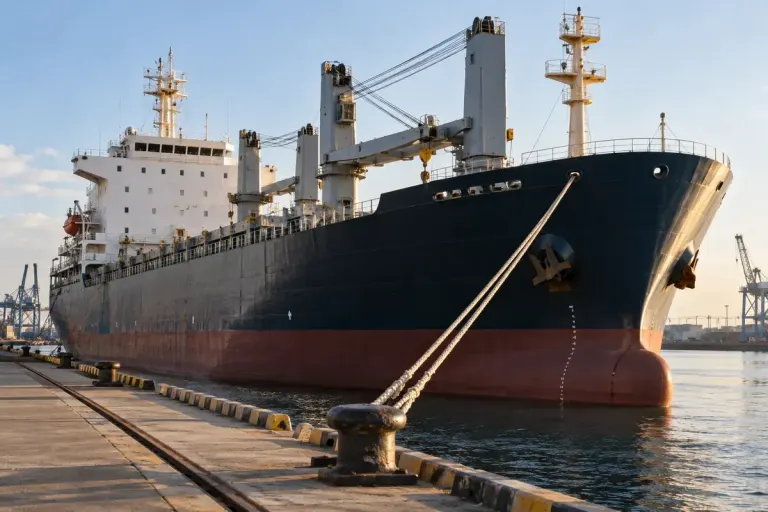
Read gross tonnage as a volume-based measure and keep it separate from displacement, cargo weight and carrying capacity.
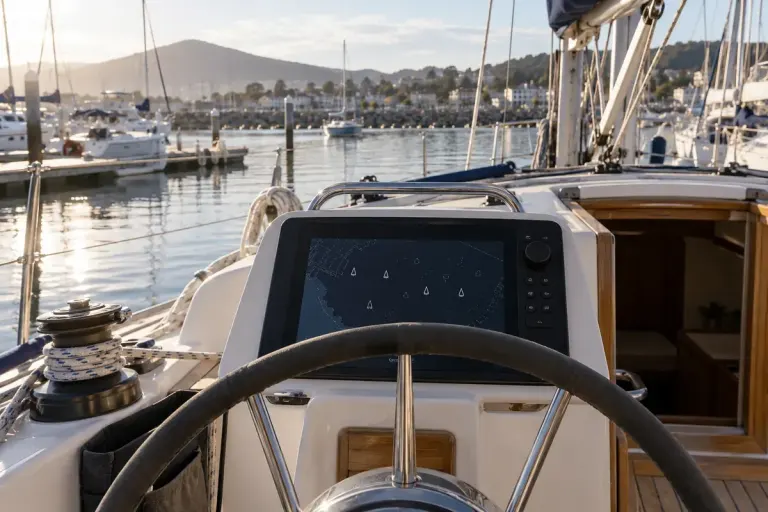
Understand what AIS can leave out, distinguish a transmitted report from a complete traffic picture, and prepare useful questions for a sailing instructor.
An old passenger ticket records an intended journey, but it does not necessarily prove that the named person travelled. That distinction matters when a…

Museum boats are often remembered for dramatic voyages or impressive size. An everyday working vessel offers another route into maritime history: asking how…
A ship’s name beside an object can look like a finished identification. Sometimes the most useful word on the label is the small qualification explaining…
A family story may remember a ship’s name but leave out its spelling, dates and port. Before searching every digitised page for a surname, turn those…
A carved face on a museum wall invites a portrait-like reading. On a ship, that same object occupied a particular position within a much larger shape. Try…