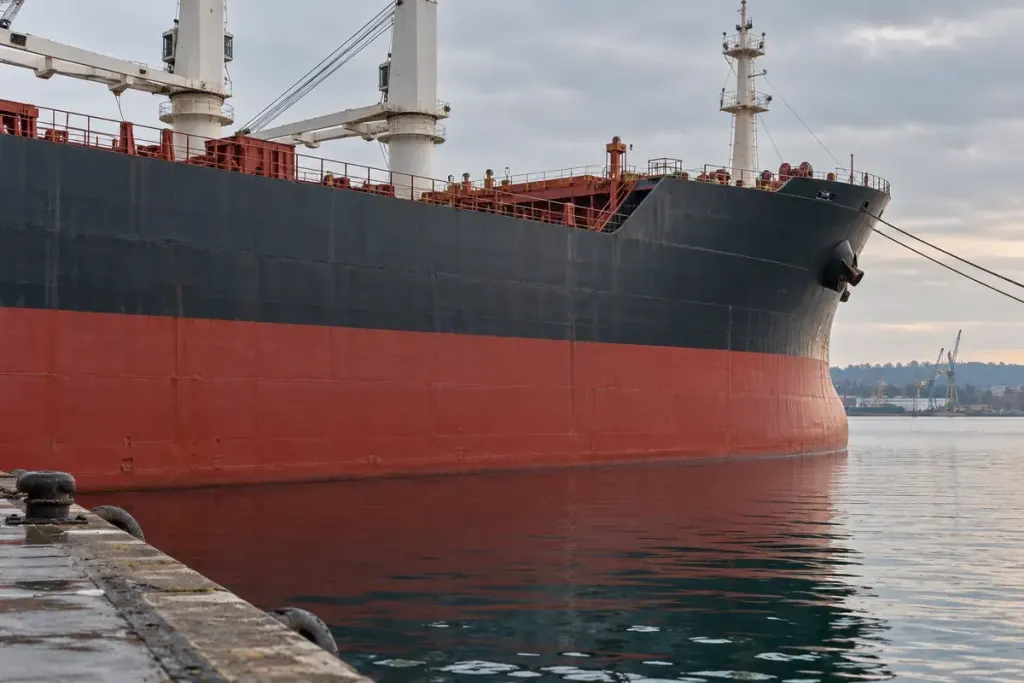
The short horizontal marks on a merchant ship’s side can look like a ruler. They are more interesting than a simple scale: assigned load lines relate loading limits to specified conditions. A photograph catches the vessel at one moment, while the marks belong to a wider system of safety requirements.
Find the system before interpreting a mark
The IMO’s introduction to the Load Lines Convention explains that the rules address freeboard and account for hazards in different zones and seasons. Assigned marks appear amidships on both sides together with the deck line. The convention also concerns features such as hatchways and doors; painted lines do not tell the entire safety story.
From a safe public viewpoint, note which marks are visible, where the water meets the hull and whether the vessel is moving. Keep the photograph uncropped enough to retain orientation. Do not lean over a quay or approach restricted working areas for a closer picture.
A useful observation has limits
A tilted camera, passing wave or partly hidden mark can change the apparent relationship between paint and water. The relevant loading condition also depends on information a shore photograph may not provide.
Write “water appears near this visible mark in this image,” rather than declaring that the ship is overloaded. For a museum or classroom exercise, pair the image with the convention’s explanation and identify the missing information. Learning what a mark refers to is valuable even when the photograph cannot support an operational judgment.
AI-generated editorial illustration; not a documentary photograph.